
LEARNING · INGREDIENT SCIENCE
CL-K1®
From fungal strain discovery to a standardized bioactive ingredient platform for metabolic health.
WHAT IS CL-K1®
CL-K1® stands for Ceriporia lacerata-K1, a natural-origin bioactive ingredient developed by Longrunn Medical through microbial strain research and fungal fermentation technology.
It originated from the study of Ceriporia lacerata, a fungal strain first identified during research on bioactive compounds from medicinal mushrooms. Through continued strain improvement, cultivation optimization, and standardization, CL-K1® has developed into a research-based ingredient platform for metabolic health.
CL-K1® is best understood as a multi-target cellular nutrition platform focused on glucose metabolism, insulin response, liver-related metabolic health, oxidative stress, inflammatory balance, and cellular energy regulation.
A Strain Development Journey Since 2005
Each generation improved cultivation efiiciency, biological stability and industrial application potential

01
Published Research
Explore peer-reviewed studies and publicly available scientific literature related to Ceriporia lacerata CL-K1.
02
Current Studies
Follow the company's ongoing research, experimental progress, and scientific evidence development.

03
Certifications & IP
Review certifications, approvals, and intellectual property progress across Korea, Singapore, Malaysia, and other markets.
A Strain Development Journey Since 2005
Each generation improved cultivation efiiciency, biological stability and industrial application potential

01
DISCOVERY
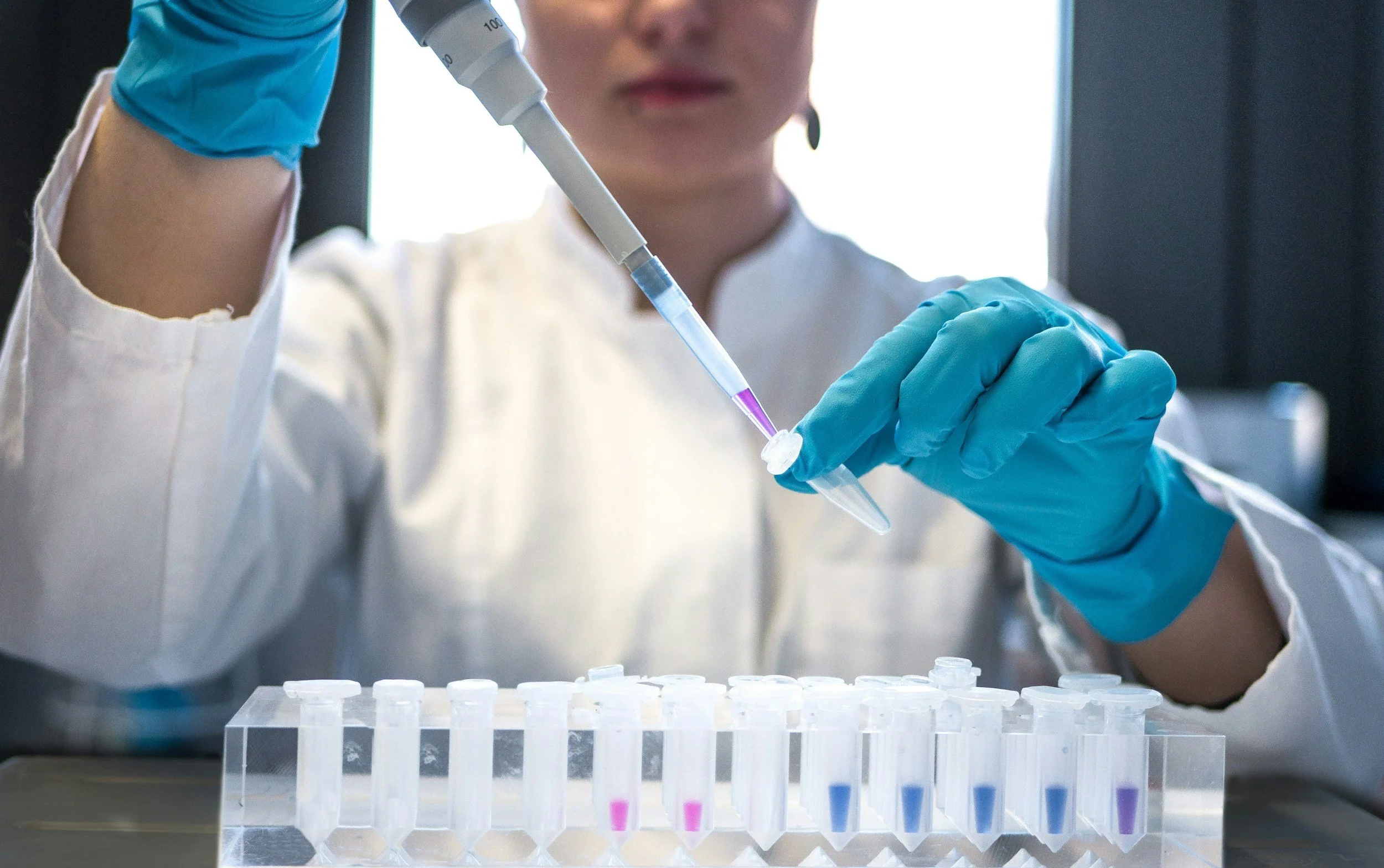
Ceriporia lacerata
The natural-origin strain that began the metabolic research journey
02
OPTIMIZATION
C. lacerata - K1
Later reclassified as Ceriporia lamaritus, more stable and practical for scale-up.

03
ADVANCEMENT
Irpex lacteus f.k.
An EMS-derived strain whose mycelial culture was designated EFILA.
Controlled Production Flow
From staged culture to finished product formats.
A simplified view of how CL-K1® moves from starter culture through controlled cultivation, separation, concentration, sterilization, and final product format preparation.
Seed-culture
Production of the starter culture.
Pre-culture
Propagation of the starter culture.
Main-culture
Controlled culture stage for acquiring active ingredients.
Filtration
Separation of mycelium and culture broth.
RO Concentrate
Unheated reverse-osmosis concentration.
Sterilization
Controlled sterilization step before product format preparation.
Jelly products
Culture-derived application format.
Freeze-drying
Vacuum freeze-drying of the culture material.
Homogenization
Powdering and homogenization of dried cultures.
Tablet products
Dried culture-based application format.
Research Direction
Diabetes and Liver Metabolism
CL-K1® research focuses primarily on metabolic disorders, especially type 2 diabetes, impaired fasting glucose, insulin resistance, and liver-related metabolic dysfunction.
From a cellular perspective, these conditions are closely connected. Pancreatic beta-cell stress, impaired insulin signaling, liver glucose regulation, mitochondrial function, oxidative stress, and chronic inflammation all influence long-term metabolic balance.
CL-K1® is studied within this multi-target framework. Its research explores how fungal fermentation-derived bioactive compounds may support the cellular environment involved in glucose regulation, liver metabolism, energy production, and metabolic resilience
Current Application & Future Potential
CL-K1® is currently commercialized through EFILA-related health supplement, medical nutrition, and metabolic health applications. This creates a practical and regulatory-compliant path for market entry while continuing to build clinical, functional, and mechanistic evidence.
Its deeper value lies in its research foundation: fungal strain development, fermentation technology, safety data, patented strain assets, regulatory recognition, and a clear focus on diabetes and liver-related metabolic health.
With continued evidence development, CL-K1® has the potential to grow from a standardized health ingredient into a supportive therapeutic ingredient platform and a future biopharmaceutical development candidate.